Producers
The hands of the network
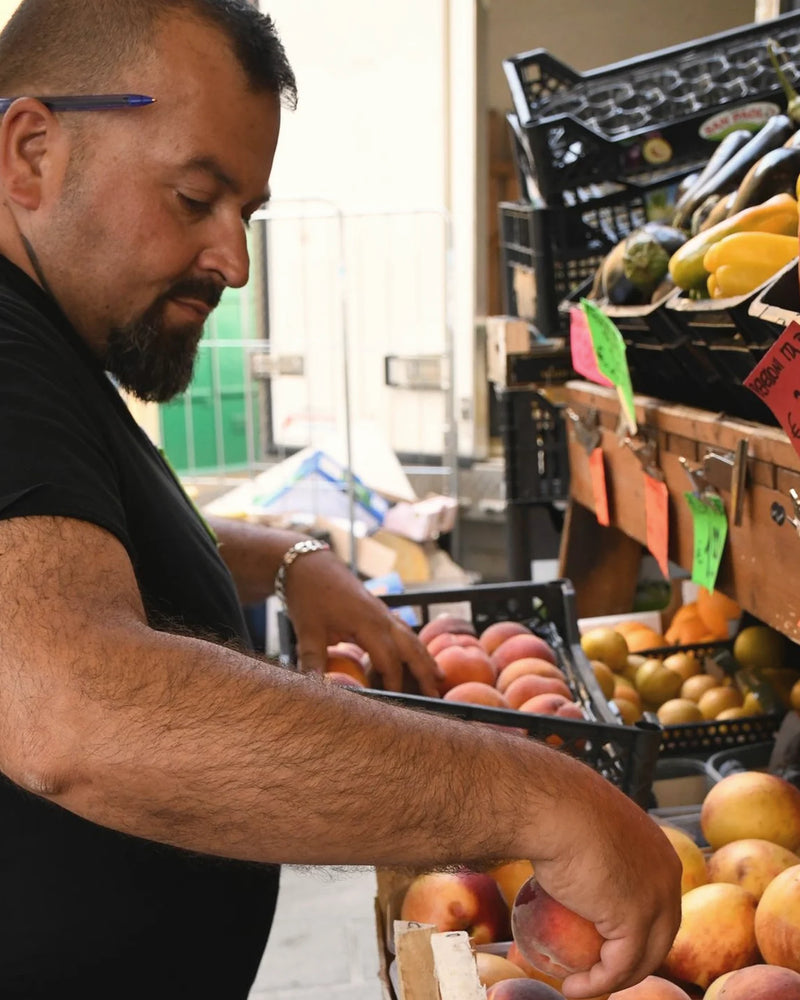
Al Bottegone
Alimentari Procissi
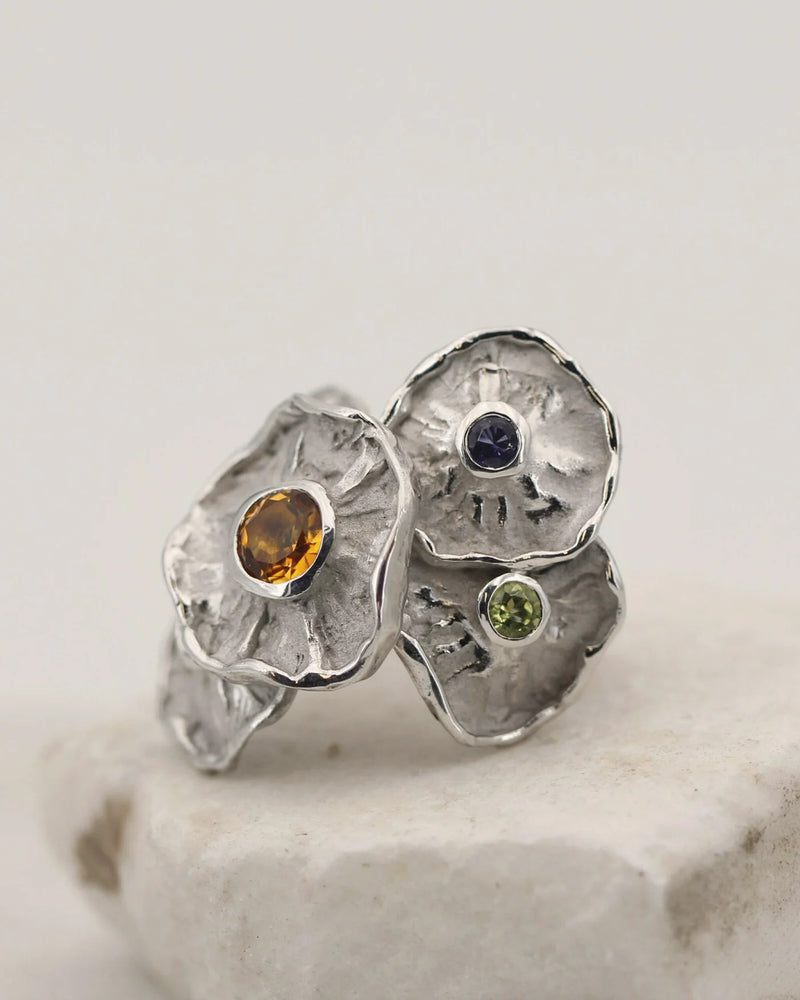
Anna Gioielli
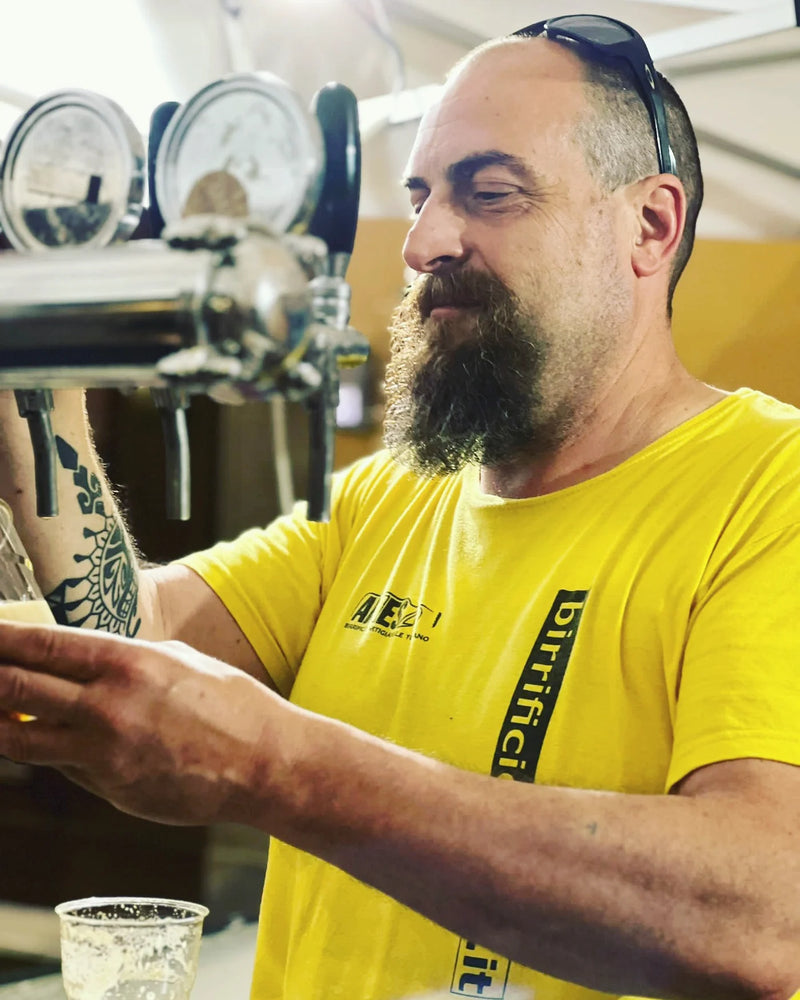
Aries
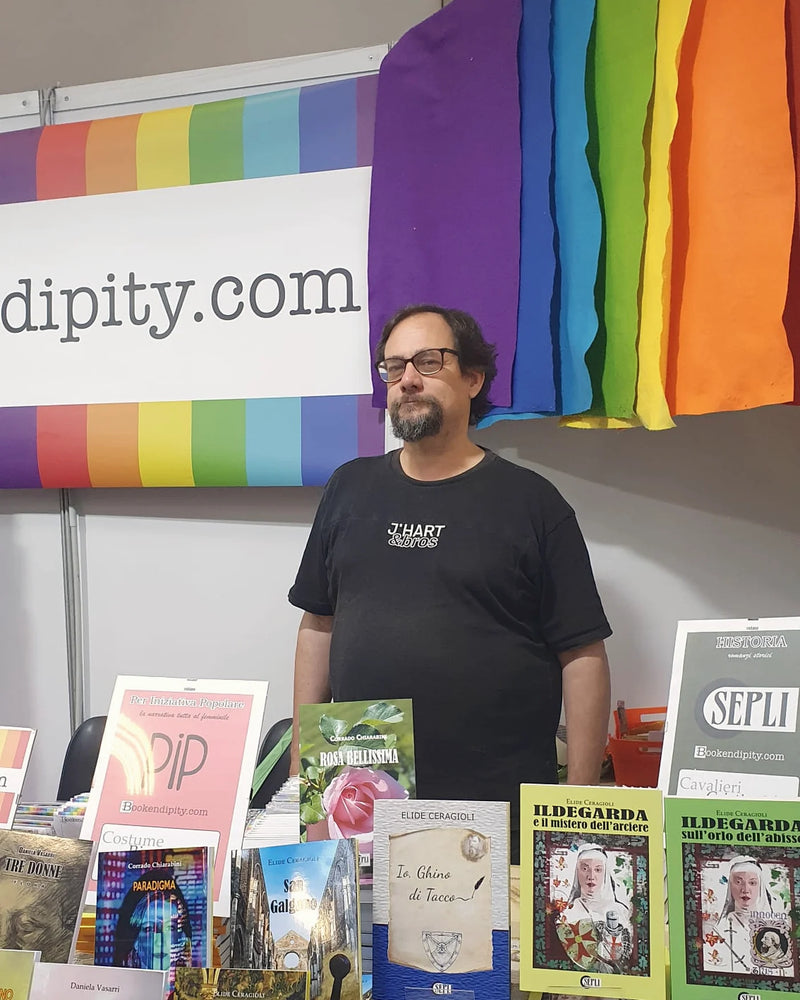
Bookendipity

Clandestino
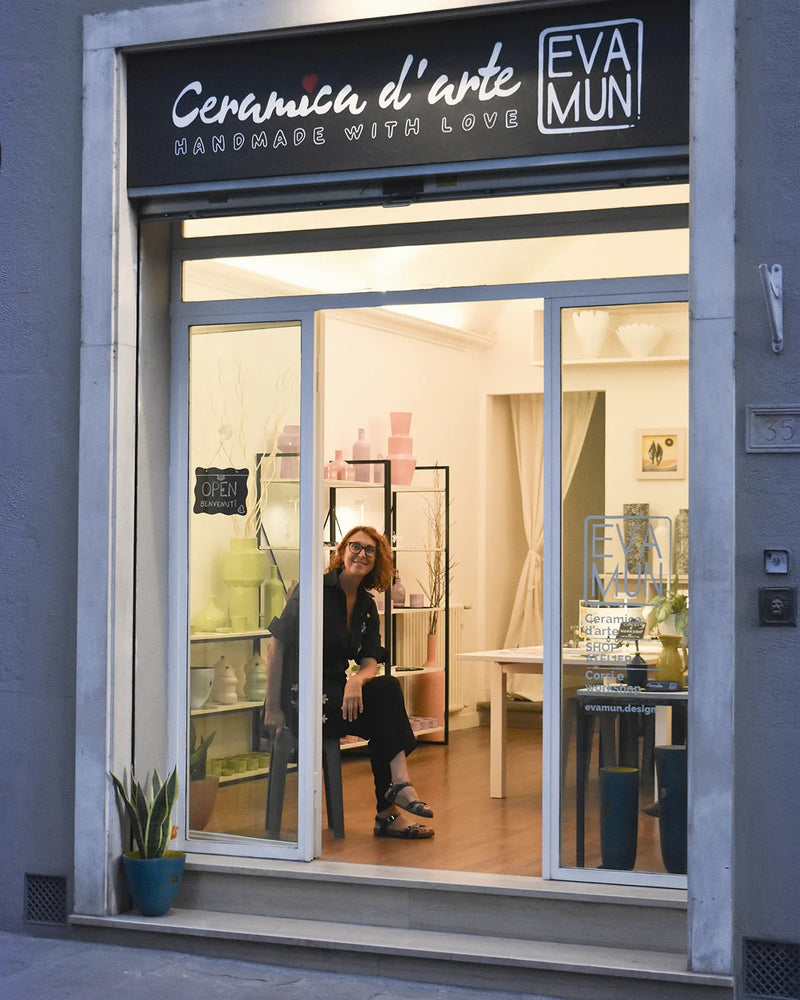
EVA MUN
Florence Gioielli
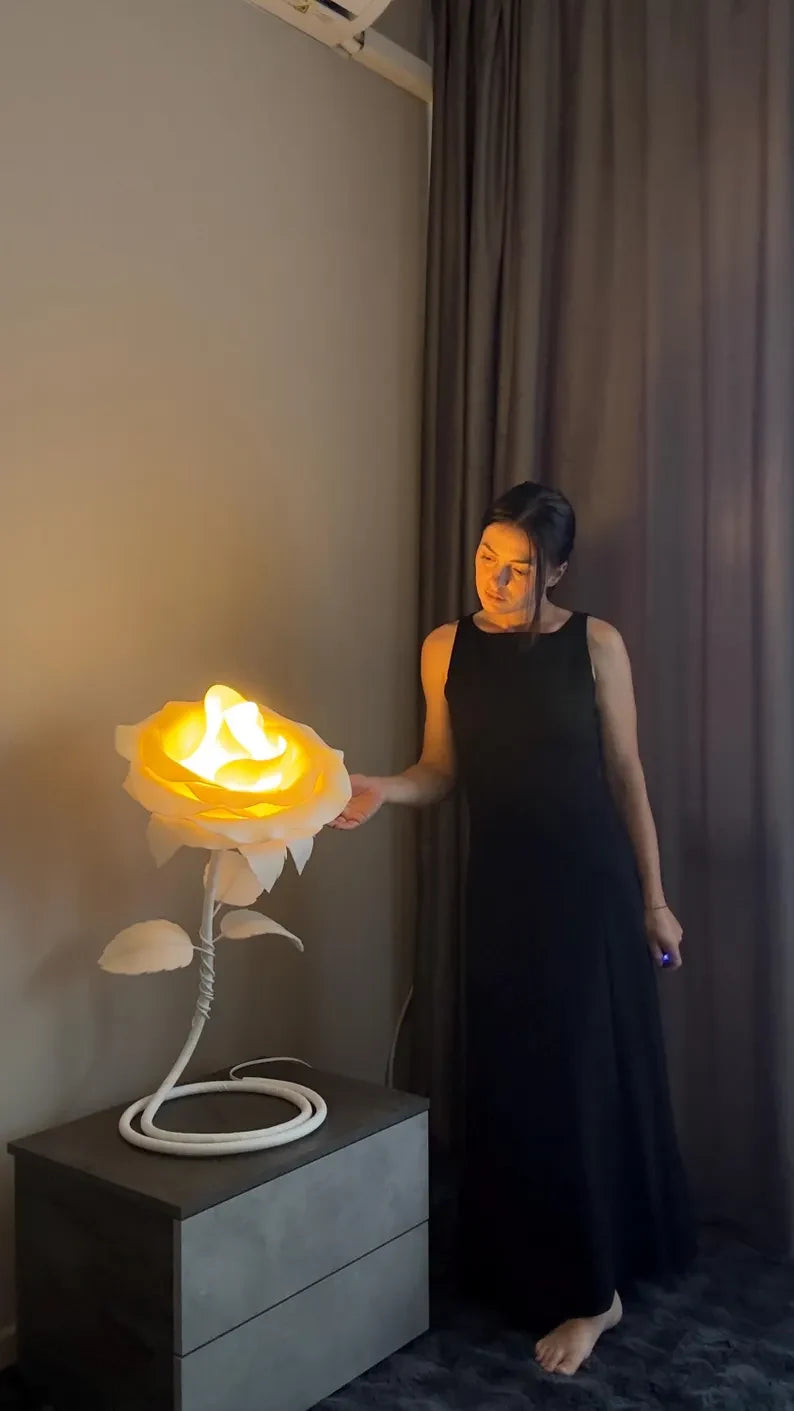
GlowBlooms
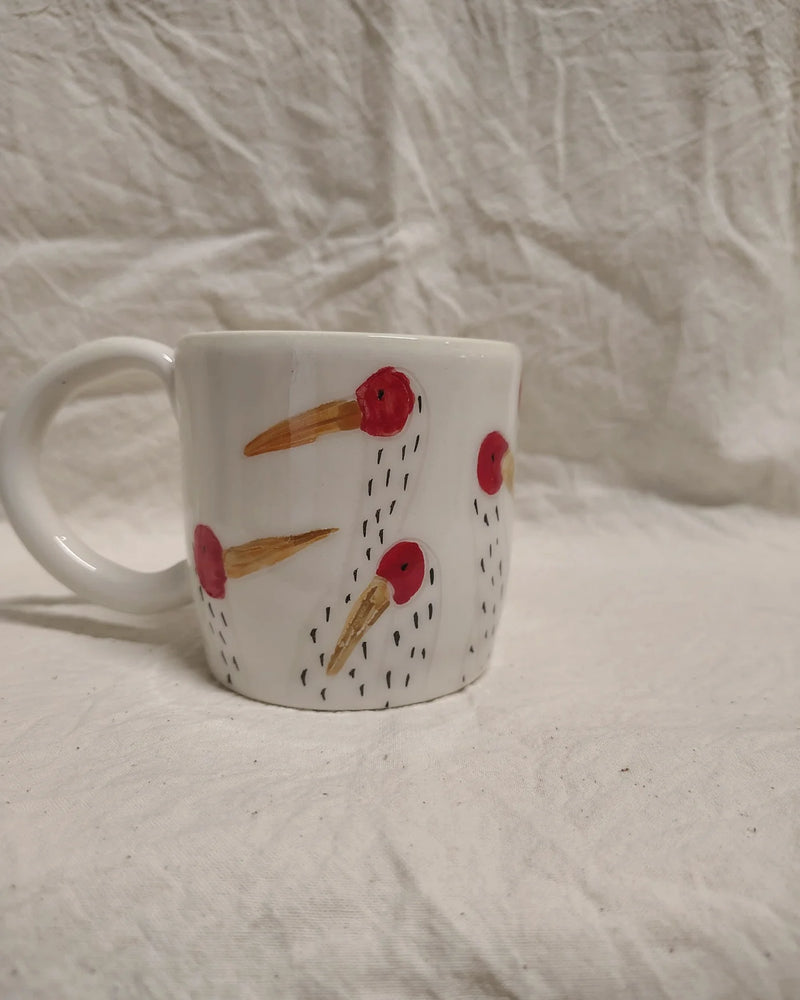
Il Papavero Decorazioni
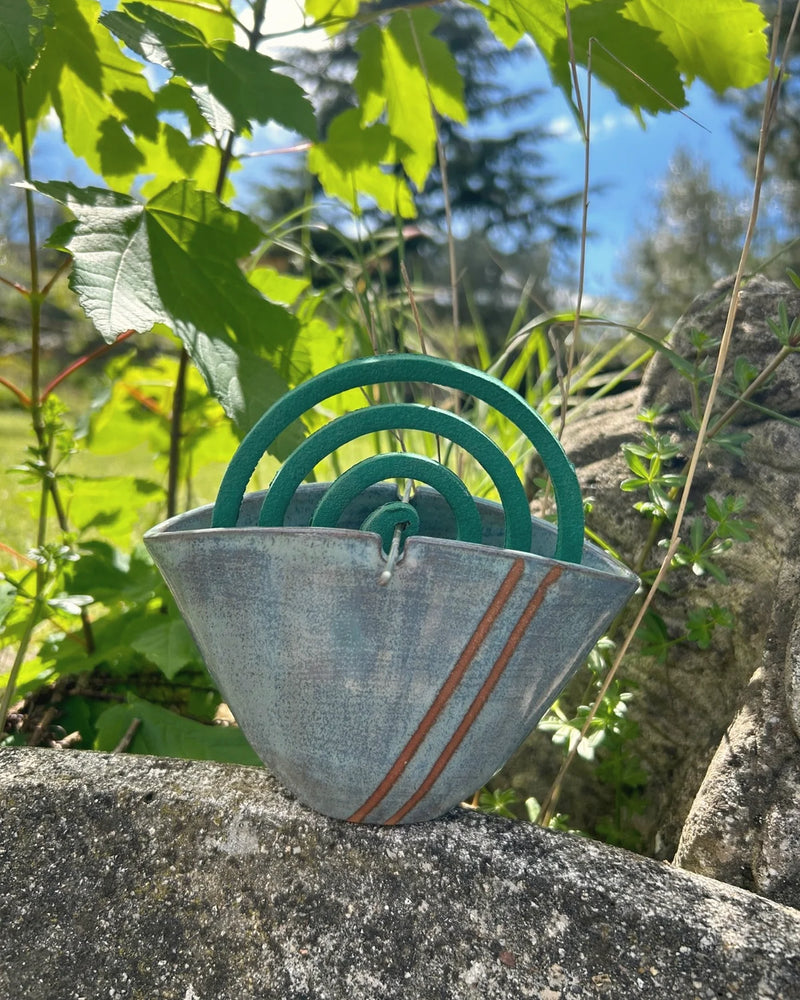
Kerstin Simply Creative
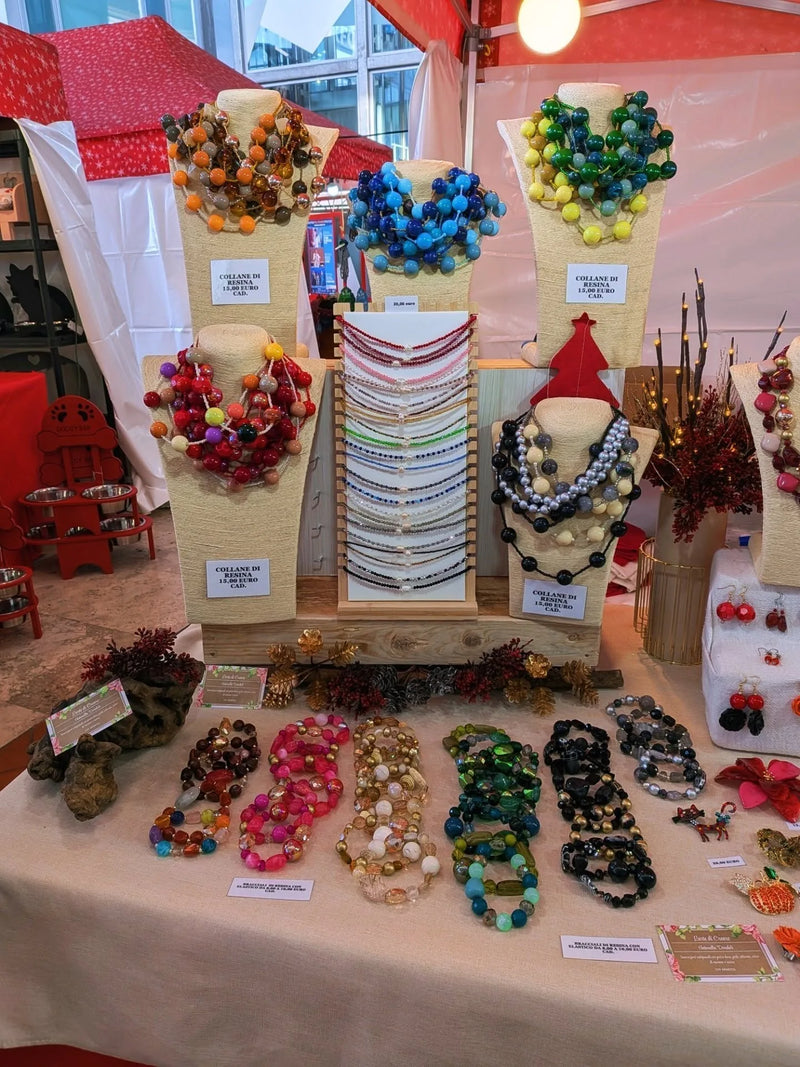
L'ARTE DI CREARE
L'ARTES Since 1968

Azienda Agricola La Fattoria
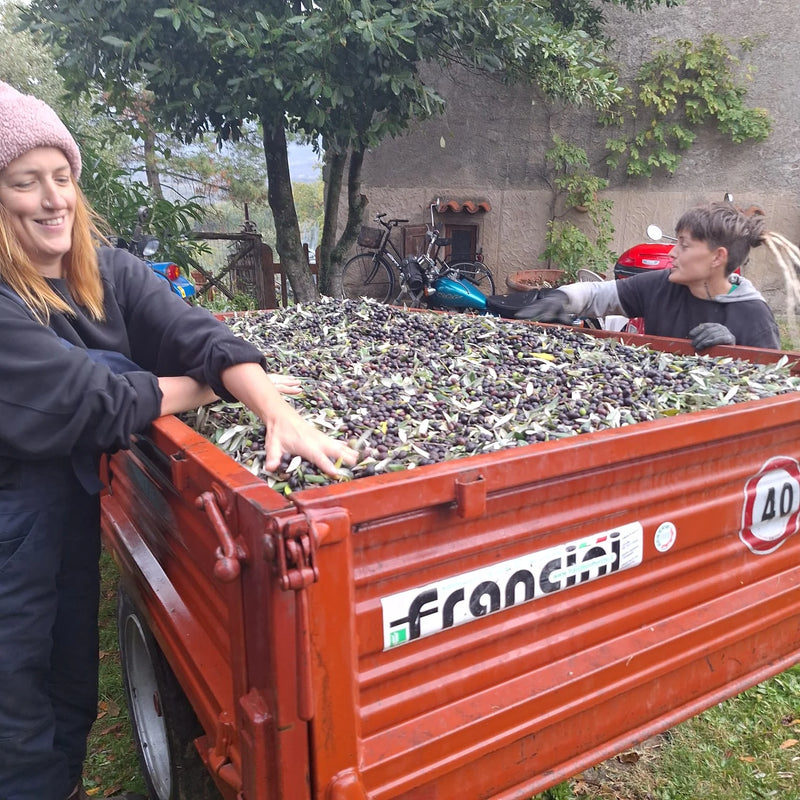
La Foresta
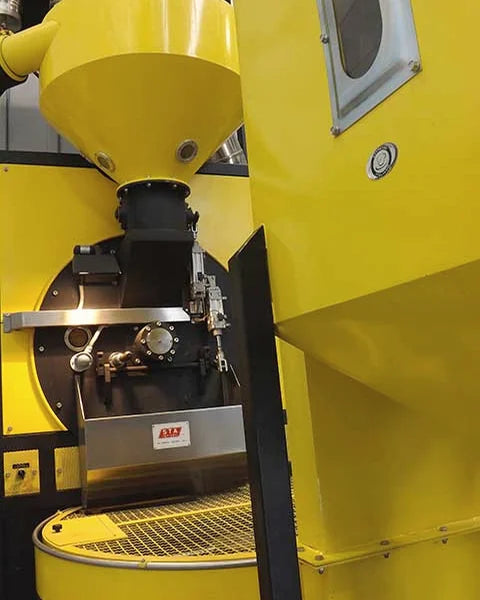
Mokalux
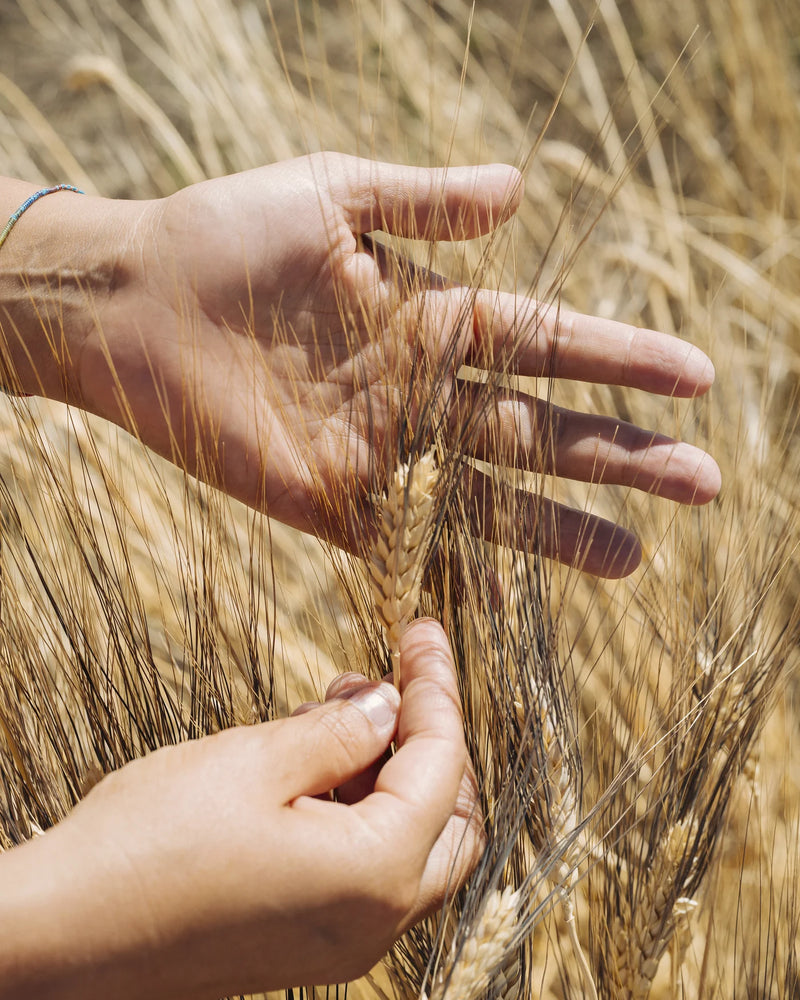
Pasta Bertoli
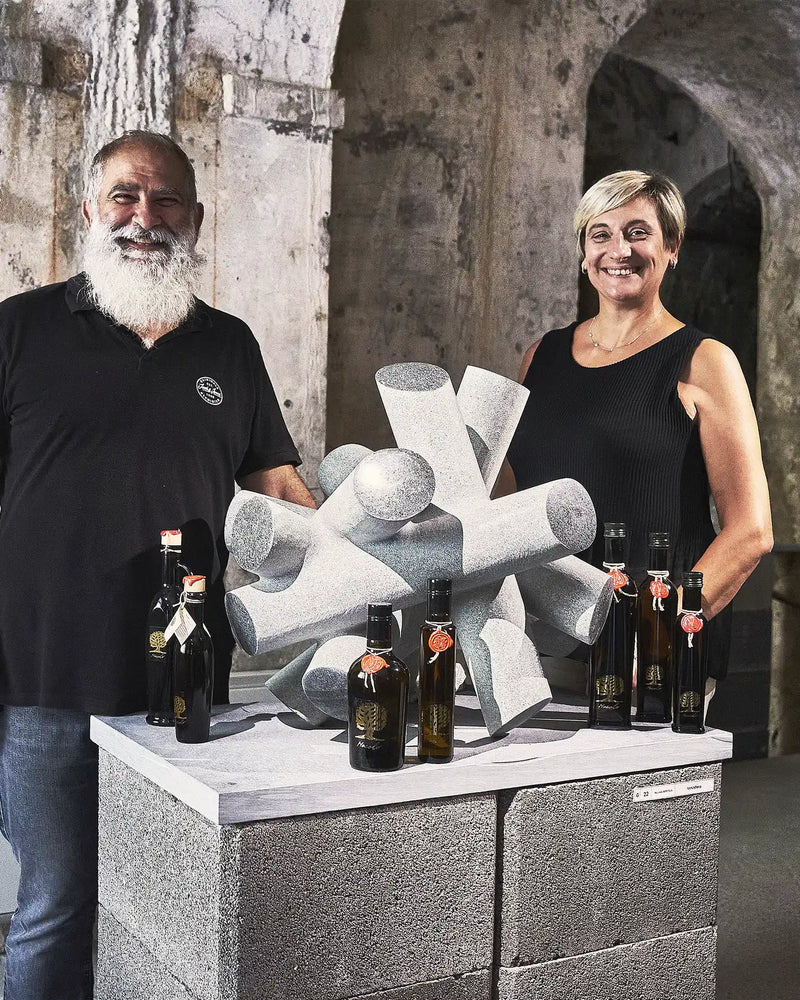
Podere Macolo
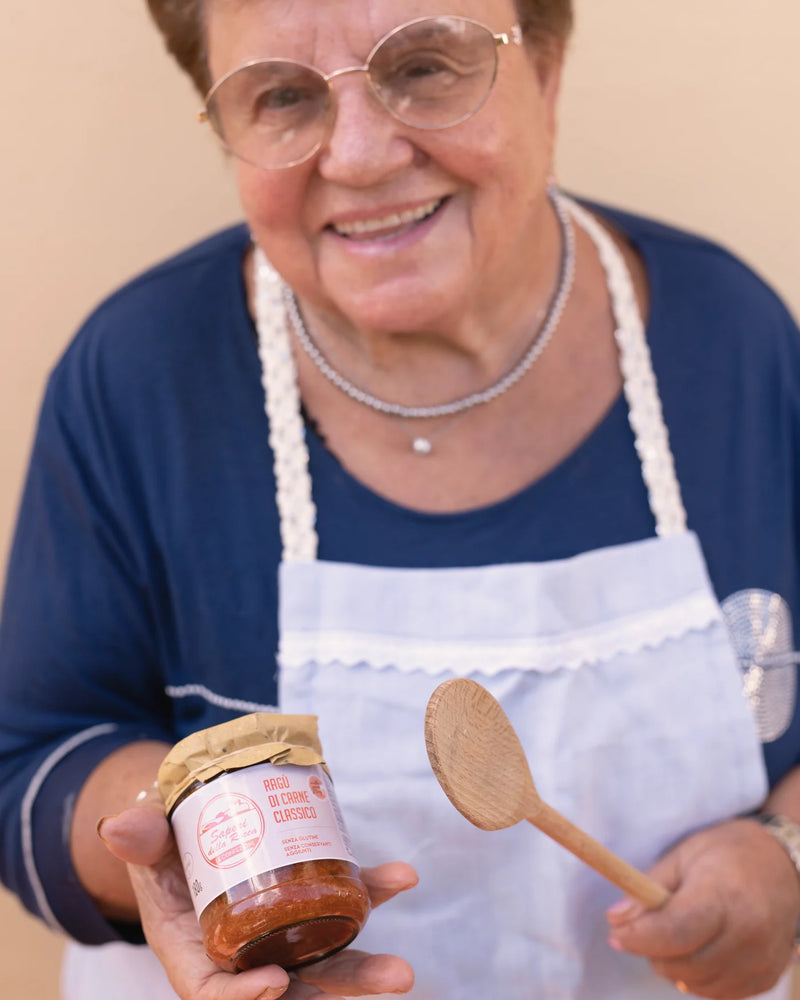
Sapori della Rocca

Uccelliera
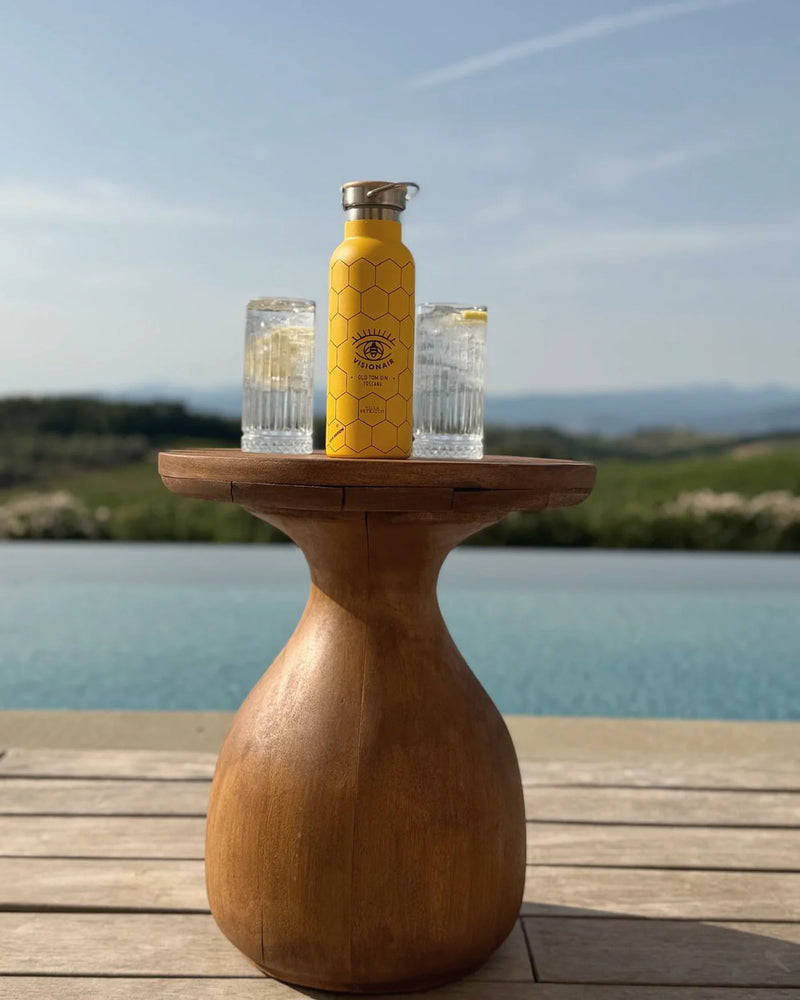
Visionair Gin
Voices of the territory
What the hands know
There are kinds of knowledge that do not travel through words. They are handed on far from classrooms and manuals, and they cannot be explained to someone who telephones to ask for information: they travel through another channel, an older one, one hand guiding another hand.
Step into a workshop where a goldsmith is teaching his son. There is the bench, there is the file, there is a piece of metal. The father takes his son’s hand, rests it on the file, guides it through the right movement. He does it once, ten times, a hundred times. At a certain point, after weeks or months, the son’s hand begins to make the movement on its own. The wrist has learnt, before the head has. That knowledge has changed address: it has passed from the father’s brain to the son’s arm, without ever pausing in the mouth of either of them.
Some books call it tacit knowledge. Others call it body memory. In the workshops they simply call it "the craft". They are different words for the same thing: a knowledge that lives in the tendons, in the fingertips, in the curve of the shoulder, and that cannot leave there except by passing through another shoulder, another fingertip, other tendons.
A seamstress who has sewn by hand for forty years recognises the quality of a fabric by touch, before she has even looked at it. She rubs it between thumb and forefinger and knows whether the fibre is natural or synthetic, whether the thread is properly twisted, whether the weave is even. She will show you, if you like, because she could not put it into words, and the demonstration is a scene, not a formula. If you ask her why, she answers "because you can feel it". And she is right. You can feel it. Only, in order to feel it you need the skin she has on her fingertips, and that skin is the product of forty years of fabrics.
A cheesemaker walks into the ageing cave and understands, from the smell of the air, whether the wheels are coming along well. The air of the cave tells him everything, with no need to touch them or taste them. There is a right density, a right humidity, a light note of ammonia that is a good sign and a heavy note of ammonia that is a bad sign. The cheesemaker could not tell you how many parts per million of ammonia, and he is not interested. He knows it by nose, from the time he was seven years old and his grandfather used to take him down there.
A sommelier with fifty years of tastings behind him recognises in a mouthful of wine the side of the hill, the aspect, the vintage, and sometimes the winemaker. It is the sum of a hundred thousand earlier mouthfuls, each of which has left a trace, and which together make up a sensory archive that the conscious mind could never manage but that the palate consults in real time.
A quarryman looks at the marble face and understands, from the light, from the veining, from the response of the diamond wire, which point will give way first and which will hold. The quarry speaks. You have to have listened to it long enough to understand its language. Young quarrymen learn by standing beside the old quarrymen, in silence, for years. Sometimes an older man turns to a younger one and says a single sentence. The young man records it the way one records an inheritance.
A pastry-maker seals tortelli with a movement of thumb and forefinger that lasts half a second. Her mother taught it to her, and her mother-in-law taught it to her mother. The shape of the tortello in that village, with that particular seal, is different from the one in the village twenty kilometres away. They are minute details, almost invisible — a small rim, a fold more or a fold less — but to anyone who recognises them they are signatures. You can tell where a tortello comes from the way you can tell where a person comes from, by the cadence of their speech.
When someone who has held a craft for fifty years dies, and that craft has not been passed on to anyone, an archive dies with the person. The hands die that knew something nobody knows any more. It is a silent loss, one that often goes unrecorded by anyone, and it is one of the ways in which a territory grows poorer without noticing.
This is why the workshops in which a craft is still handed down — where the father teaches the son, where the master craftswoman takes on an apprentice, where the shop boy stays in a workshop for ten years before he can say he has learnt — are, as well as places of work, the points at which an ancient body of knowledge goes on passing from one generation to the next, hand in hand, without interruption.
And every time a young person decides to learn a craft of this kind, someone, somewhere, can breathe a little more deeply. It means that that craft still has a tomorrow.